Choosing the right winch for a project isn’t always as simple as comparing pulling capacity on a spec sheet. On paper, two winches may look similar… in the field though, the right choice can depend on the environment, duty cycle, power availability, access constraints, safety requirements and how the winch needs to work with the rest of the job.
Two of the most common options are electric winches and hydraulic winches. Both have their place; both can be highly effective when matched correctly to the task. But for industrial, marine, infrastructure and heavy-duty applications, choosing the wrong type of winch can create avoidable delays, unnecessary wear, or equipment that simply isn’t suited to the conditions.
So, if you’re weighing up electric winch hire versus hydraulic winch hire, the question isn’t necessarily which one is “better”. It’s which one is better for your project.
Understanding the Difference Between Electric and Hydraulic Winches
An electric winch is powered by an electric motor. Depending on the unit, this may be powered by mains electricity, a generator, batteries or another electrical supply. Electric winches are often selected for applications where a clean, controlled and relatively straightforward power source is available.
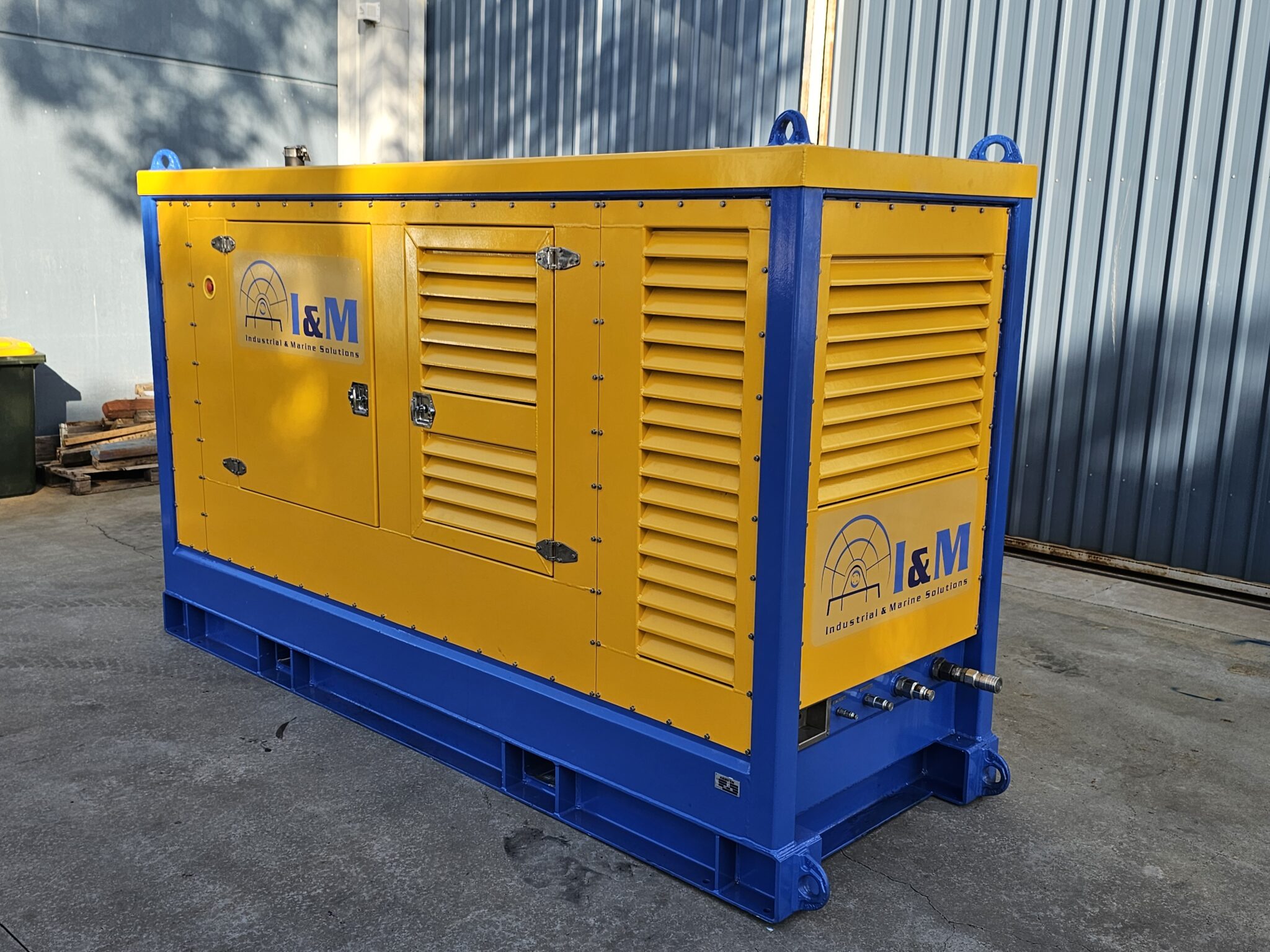
A hydraulic winch is powered by hydraulic pressure, usually supplied by a hydraulic power pack, vehicle hydraulic system, vessel system or another hydraulic power source. Hydraulic winches are commonly used in demanding industrial environments where high pulling capacity, long operating cycles and durability are important.
The key difference comes down to how power is delivered.
Electric winches convert electrical energy into mechanical pulling force, whereas hydraulic winches use pressurised fluid to produce torque and pulling power. That distinction has a major influence on how each winch performs under load, how long it can operate, and where it’s best used.
When Electric Winch Hire Makes Sense
Electric winches can be a practical option for a wide range of lifting, pulling, hauling and positioning tasks. They’re often used where the project has reliable electrical supply and where the winch doesn’t need to operate continuously under heavy load for extended periods. For many sites, the appeal of an electric winch is its relative simplicity (once the correct power supply is available, setup can be straightforward). Electric winches can also provide good control, making them suitable for applications where accurate movement and positioning are required.
Electric winch hire may be well suited to projects where the site has consistent access to electrical power, the pulling requirements are moderate rather than extreme, the duty cycle is intermittent, a compact setup is preferred, the operating environment is relatively controlled, or noise, emissions and hydraulic fluid management are considerations.
Electric winches are often a good fit for workshops, construction environments, controlled industrial sites, maintenance operations and certain installation tasks. They can also be suitable where the winch needs to be moved between locations and where the available power supply can support the required performance.
That said though, electric winches do have limitations. They may not be the right choice for continuous heavy-duty operation, wet or harsh marine conditions, explosive environments, or remote sites where electrical supply is unreliable. Heat build-up, power draw and motor protection are also important considerations, particularly under repeated or sustained load.
When Hydraulic Winch Hire is the Better Option
Hydraulic winches are often selected for more demanding work. They’re built for strength, reliability and sustained performance, particularly where heavy loads, long operating periods or harsh site conditions are involved. Because hydraulic systems can deliver high torque at low speeds, hydraulic winches are well suited to controlled heavy pulling. They can also cope with longer duty cycles than many electric winches, provided the hydraulic power source is correctly matched to the winch.
Hydraulic winch hire may be the better option where the project involves heavy or continuous pulling, the site already has hydraulic power available, the winch will be used in marine, offshore, mining or industrial environments, high line pull and controlled operation are required, or a hydraulic power pack can be supplied as part of the setup.
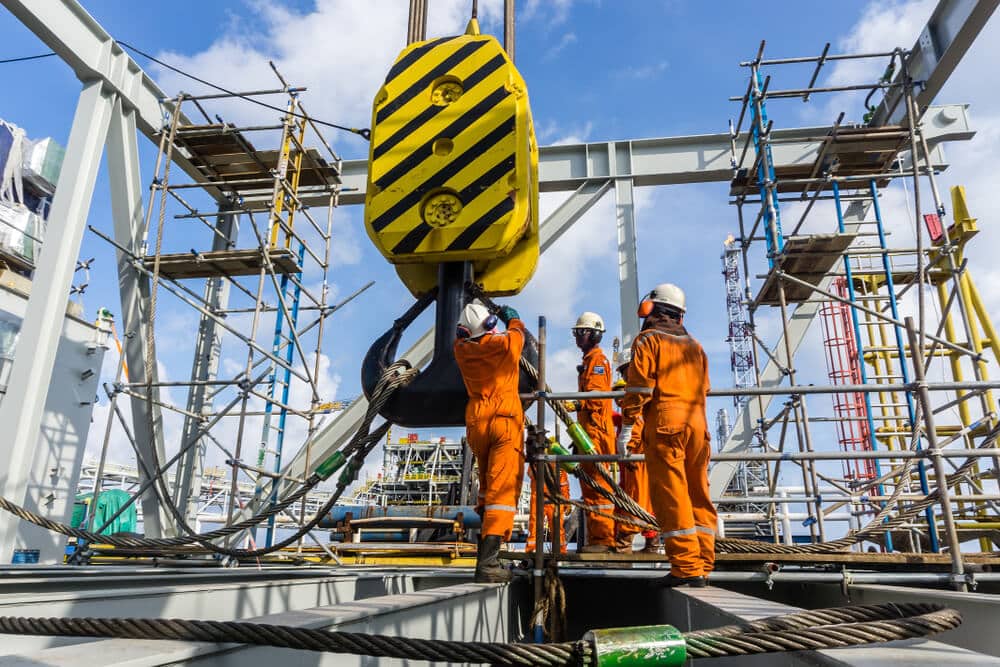
Hydraulic winches are commonly used in cable hauling, marine operations, mooring applications, infrastructure works, mining projects, oil and gas environments, and other heavy-duty applications. They’re often chosen because they can deliver reliable performance in environments that aren’t especially kind to equipment.
For heavy-duty winch hire, hydraulic units are frequently the more suitable choice. They’re generally better suited to high-load applications, longer operational periods and situations where robustness is a priority.
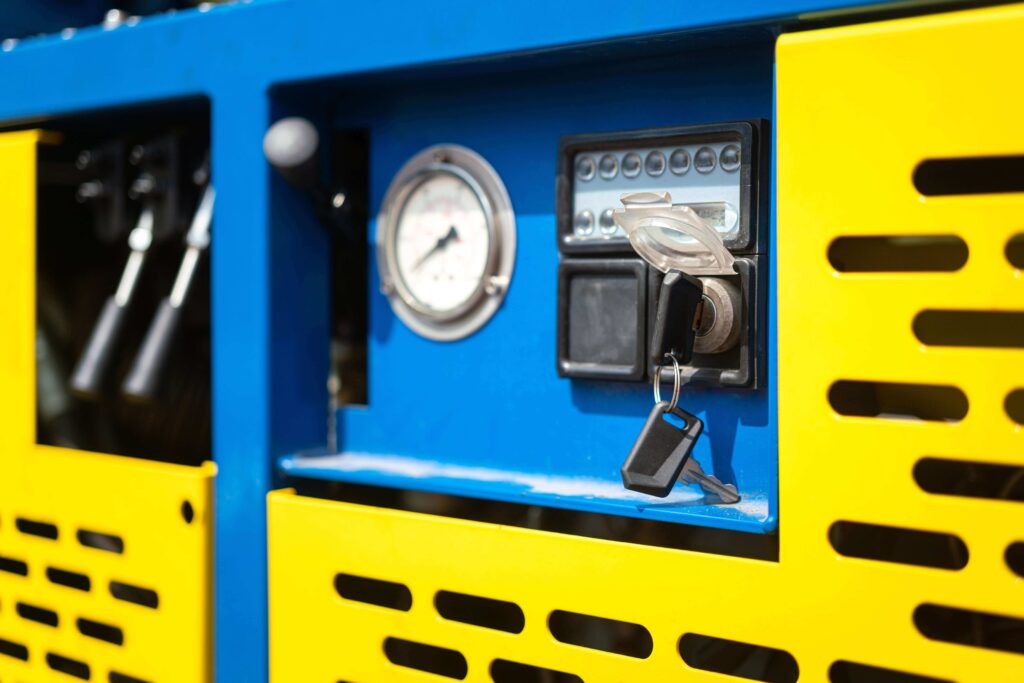
However, hydraulic winches also require the right supporting equipment. A hydraulic winch is only as useful as the system powering it; flow rate, pressure, hose runs, fittings, controls, cooling and overall system compatibility all matter. If the hydraulic power pack is undersized or poorly matched, the winch may not perform as required.
This is where expert input becomes important. It’s not just about hiring a hydraulic winch with the right line pull; it’s about ensuring the full setup is fit for purpose.
Key Factors to Consider Before Hiring a Winch
Before choosing between an electric or hydraulic winch, it’s worth looking at the job from a practical standpoint. The best choice usually becomes clearer once the operating conditions are properly understood.
Load and Line Pull Requirements
Start with the load. What needs to be pulled, hauled, positioned or controlled? Is it a static pull, a rolling load, a marine load, or something affected by slope, friction or environmental forces? Line pull requirements shouldn’t be guessed. The winch needs to be selected with appropriate capacity, safety margins and consideration for how line pull changes across drum layers. A winch rated for a particular pull on the first layer may perform differently as rope builds up on the drum.
For heavy-duty projects, hydraulic winches are often preferred due to their ability to deliver high pulling force and sustained operation. But electric winches can still be suitable for lighter or more controlled applications when correctly specified.
Duty Cycle
How often will the winch be operating, and for how long at a time? If the winch only needs to operate intermittently, an electric unit may be suitable. If the application involves frequent, repeated or extended pulling, a hydraulic winch may be more appropriate.
Duty cycle is one of the areas where project teams can get caught out. A winch that performs well for a short pull may not be suitable for hours of repeated operation. Heat, motor load, hydraulic oil temperature and overall system endurance all need to be considered.
Available Power Source
The available power source can quickly narrow down the options. If you have reliable electrical power on site, electric winch hire may be practical. If the site has hydraulic infrastructure or if a hydraulic power pack can be supplied, hydraulic winch hire may provide greater flexibility and power.
Remote sites, marine environments and field projects often require more thought. In these cases, the winch, power pack, controls and accessories should be considered as one complete system rather than separate items.
Site Conditions
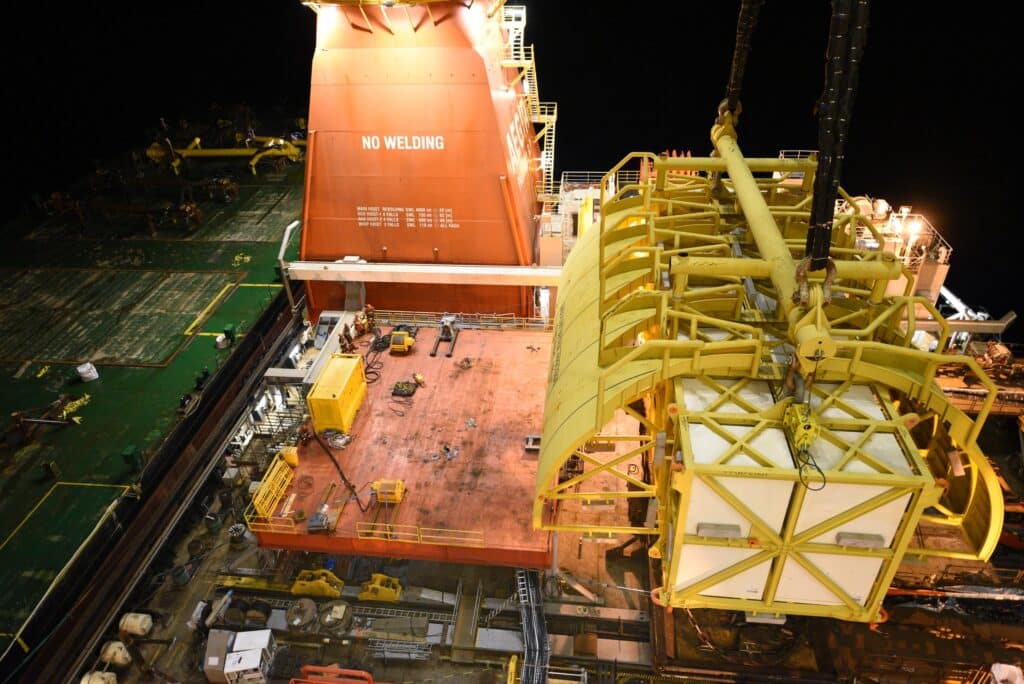
The environment matters. A clean workshop and an offshore deck are very different places to operate equipment. Dust, water, salt, mud, temperature, hazardous zones, restricted access and exposure to impact can all affect the type of winch that should be used.
Hydraulic winches are often favoured in harsh environments because of their durability and suitability for heavy industrial work, but electric winches can still be used in demanding settings (so long as the unit is appropriately rated and protected).
Control and Precision
Some projects require simple pulling power; others require controlled movement, accurate positioning or synchronisation with other equipment. Both electric and hydraulic winches can offer strong control options, depending on the specific setup. The right choice may depend on whether you need variable speed control, remote operation, load monitoring, emergency stop functions, braking systems or integration with other industrial winch systems.
This is another reason why hire selection should involve more than simply asking for “a winch”. The control requirements can be just as important as the pulling capacity.
Mobility and Installation
How will the winch be installed? Does it need to be skid-mounted, vehicle-mounted, deck-mounted or positioned in a restricted access area? Will it be moved during the project? Electric winches may offer advantages where compact installation and simpler power connection are needed.
Hydraulic winches, particularly larger units, may require more planning around power packs, hoses and mounting arrangements. For complex projects, customisation may also be required (standard hire equipment isn’t always the perfect fit straight off the shelf).

Hire the right winch with I&M Solutions
When hiring a winch, the equipment is only part of the decision. The real value is in getting the right winch, the right power source, the right controls and the right advice from the start. This is especially important when the project involves safety-critical work, expensive assets, tight timeframes or remote locations where delays are difficult to manage.
I&M Solutions supplies winch hire Australia-wide, with a strong focus on reliable equipment, practical advice and tailored solutions for industrial, marine and heavy-duty applications. Our range includes electric winches, hydraulic winches, cable hauling winches, hydraulic power packs, rigging equipment and supporting systems. For straightforward projects, that may mean supplying a suitable hire winch and accessories. For more complex applications, it may involve matching a hydraulic winch with the correct hydraulic power unit, modifying equipment to suit site requirements, or helping develop a more complete winching solution.
This tailored approach is important; not every job can be solved with standard equipment. In a lot of cases, the right outcome depends on understanding the project conditions and configuring the equipment accordingly.
- Hire an electric winch when the project has reliable electrical power, moderate pulling requirements, intermittent operation and a controlled work environment.
- Hire a hydraulic winch when the job calls for high pulling power, long duty cycles, rugged performance or operation in demanding industrial, marine or remote conditions.
- Most importantly, don’t make the decision on winch type alone. Consider the full application: load, power source, duty cycle, environment, control requirements and installation. The right winch should be selected as part of a complete working system.
For project teams that need dependable equipment and experienced support, I&M Solutions can provide advice, hire equipment and tailored winching solutions to suit the task.