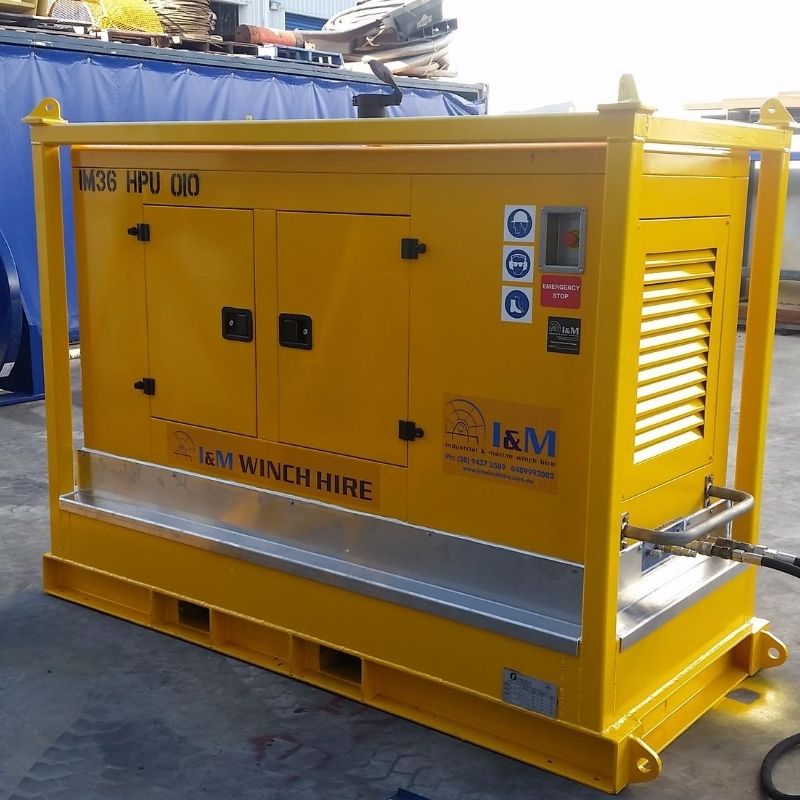
In demanding industrial, marine and offshore environments, hydraulic systems are only as reliable as the equipment behind them. At the heart of many operations sit hydraulic power units; responsible for generating, regulating and delivering the hydraulic energy that keeps critical machinery moving.
When designed and maintained properly, hydraulic power units deliver consistent performance, minimise downtime and improve overall project efficiency. When corners are cut though, you can often end up with higher running costs, premature wear and operational delays.
What’s the takeaway here? Understanding how key components work together is essential for anyone relying on hydraulic systems in the field.
The Foundation – Engine and Prime Mover Selection
The performance of any hydraulic power unit begins with its prime mover. In mobile, remote and high-load environments, diesel-driven systems remain the preferred choice due to their durability and reliability. High-quality engines like Cummins diesel engines are widely used in industrial hydraulic power units… and for good reason. They offer:
- Stable power delivery under fluctuating loads
- Fuel efficiency in extended operations
- Proven reliability in harsh conditions
- Strong parts and service support across Australia
A well-matched engine ensures the hydraulic system receives consistent input power, which directly affects pressure stability and system responsiveness.

Pump Technology – Converting Power into Performance
Once mechanical power is generated, it must be converted into hydraulic energy. This is where pump selection plays a critical role.
Modern systems often rely on advanced variable displacement pumps, including Kawasaki Heavy Industries variable piston pumps, to maximise efficiency and control. These pumps adjust output based on system demand, rather than running at full capacity at all times. This delivers several advantages:
- Reduced energy consumption
- Lower heat generation
- Improved component lifespan
- More precise system control
Put simply, this means smoother operation, lower maintenance requirements and better long-term reliability (especially in applications where loads vary throughout the day).
Filtration Systems – Protecting the Entire Hydraulic Circuit
Contamination is one of the leading causes of hydraulic system failure – even small particles can damage pumps, valves and cylinders if left unchecked. High-performance filtration like HYDAC filtration systems play a vital role in maintaining oil cleanliness and protecting sensitive components.
Effective filtration delivers:
- Reduced internal wear
- Improved oil life
- More consistent system performance
- Lower risk of unplanned breakdowns
A properly specified filtration setup is not an optional extra — it’s fundamental to keeping hydraulic power units operating at peak efficiency over time.
Cooling and Thermal Management
Heat is an unavoidable by-product of hydraulic operation – however, excessive heat accelerates oil degradation and places unnecessary stress on system components. Quality cooling systems help regulate operating temperatures by:
- Maintaining optimal oil viscosity
- Preventing seal and hose deterioration
- Supporting consistent system response
- Reducing the risk of thermal shutdowns
Whether through air-cooled radiators or integrated heat exchangers, thermal management is a critical part of long-term system reliability.
Reservoir Design and Fluid Management
The hydraulic reservoir does far more than simply hold oil – its design influences cooling efficiency, air separation and contamination control. A properly engineered reservoir supports:
- Effective heat dissipation
- Removal of entrained air
- Sediment settlement
- Stable fluid supply
Combined with correct oil selection and regular fluid analysis, reservoir management plays a major role in extending the life of hydraulic power units.
Here’s Why Component Quality Matters in Real-World Operations
In controlled environments, lower-grade components may appear to perform adequately. In real-world industrial and marine settings though, conditions are rarely ideal. Salt exposure, dust, vibration, heavy loads and continuous operation place enormous strain on these hydraulic systems. Under these conditions, the difference between premium and average components becomes very clear.
High-quality engines, pumps and filtration systems help ensure that I&M Solutions’ hydraulic power units for hire and ownership remain dependable, efficient and safe… even in remote or high-risk locations.
Maintenance – Maximising Performance Over Time
Even the best-designed system requires ongoing care. Preventative maintenance is essential to protect performance and efficiency. Effective maintenance programs focus on:
- Regular oil sampling and analysis
- Filter inspection and replacement
- Seal and hose checks
- Load testing and calibration
- Cooling system servicing
Consistent maintenance not only prevents breakdowns, but also helps identify emerging issues before they become costly failures.
Partnering with specialists makes all the difference
Selecting, building and maintaining high-performance hydraulic power units requires more than simply sourcing components. It requires practical experience, technical knowledge and a clear understanding of how systems behave in the field.
At I&M Solutions, our team designs, supplies and supports hydraulic power units tailored to demanding Australian industries. From purpose-built systems and equipment sales through to hydraulic power units for hire, servicing and custom engineering, we focus on delivering equipment that performs when it matters most.
Whether you require diesel-driven power packs featuring Cummins diesel engines, advanced pump configurations, or systems built around HYDAC filtration technology, our technicians will work closely alongside you to ensure every unit is matched to its specific application, and to your specific needs and environment.
If you’re planning an upcoming project or looking to improve the reliability of your existing hydraulic systems, speak with the I&M Solutions team. Our experience across marine, mining, construction and offshore environments ensures you receive equipment and support you can rely on — now and into the future.