In demanding marine and industrial environments, control is everything. Whether you’re managing vessel mooring, offshore operations, or heavy-duty lifting, maintaining consistent load tension is critical for safety, efficiency, and equipment longevity.
This is where a constant tension winch becomes an essential part of modern marine winch systems. At I&M Solutions, we work closely with operators across marine, offshore, mining, and construction sectors to supply and support high-performance winch solutions, including advanced constant tension systems designed for real-world conditions.
In this guide, we’ll walk you through what a constant tension winch is, how it works, the benefits it offers, and why choosing the right supplier makes all the difference.
What’s a Constant Tension Winch?
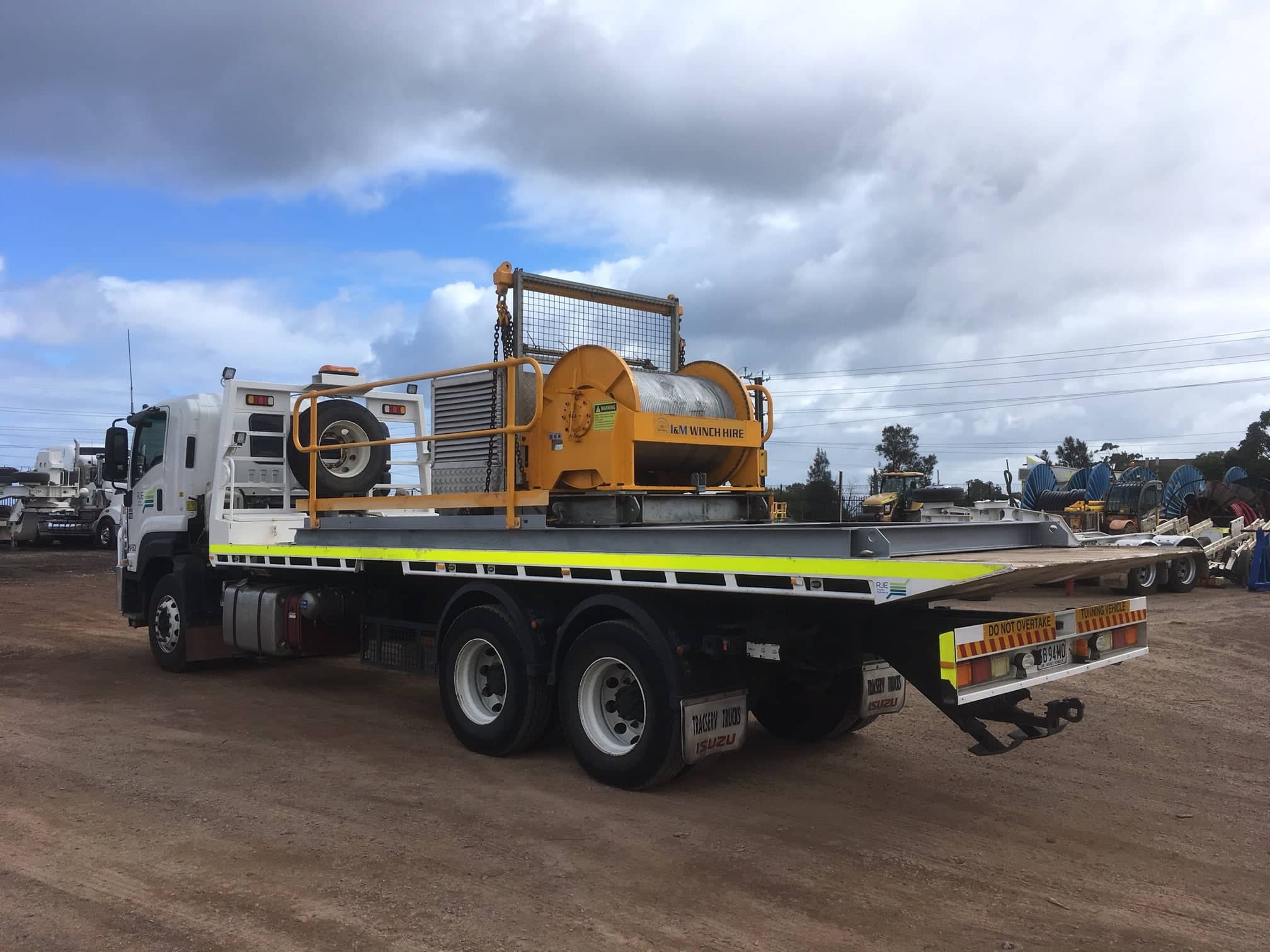
A constant tension winch is a specialised winching system designed to automatically maintain a preset level of tension on a rope, wire, or cable. Instead of simply winding in or paying out line manually, the winch continuously adjusts to changes in load. This makes it particularly valuable in applications where movement, tides, wind, or shifting loads can cause tension fluctuations (think vessel mooring, offshore positioning, and towing).
For operators using a constant tension winch for boats, offshore platforms or floating equipment, this automatic regulation helps prevent sudden shock loads, slack lines, and excessive strain.

How a Constant Tension Winch Works
Understanding how a constant tension winch works helps explain why these systems are so effective in demanding environments. At its core, the winch uses a combination of hydraulic or electric drive systems, load-sensing technology, and a combination of control valves and monitoring systems.
The winch continuously measures the tension on the line. When the load increases beyond the set limit, the system automatically pays out rope to reduce strain. When tension drops, it retrieves line to restore the correct load. In hydraulic systems, this is typically achieved through pressure feedback in the hydraulic circuit. In electric systems, sensors and controllers regulate motor output.
Both approaches are designed to deliver smooth, responsive adjustment without operator intervention.
This real-time response is what separates constant tension systems from conventional winches (and what makes them ideal for complex marine and industrial tasks).
Where Constant Tension Winches are Commonly Used
Constant tension winches are widely used across industries where load stability is critical, including:
- Marine and Offshore Operations (vessel mooring, floating platforms, offshore construction, dynamic positioning support)
- Port and Harbour Facilities (berthing systems, cargo handling support, floating infrastructure management)
- Industrial and Construction Projects (cable laying, towing operations, heavy equipment positioning, temporary anchoring systems)
The Benefits of Constant Tension Winches
There are clear operational advantages to using this type of system. Some of the key benefits of constant tension winches include:
- Improved Safety: By preventing sudden load spikes and slack lines, constant tension systems reduce the risk of line failure, equipment damage, and workplace incidents.
- Reduced Equipment Wear: Maintaining consistent load levels minimises stress on ropes, drums, bearings, and drive components — extending service life and reducing maintenance costs.
- Greater Operational Efficiency: With automatic tension adjustment, operators can focus on the broader task at hand rather than constantly monitoring line behaviour.
- Enhanced Stability: In marine environments, changing tides, swell, and vessel movement can create unpredictable forces. Constant tension control helps maintain stable positioning even in variable conditions.
- Compliance and Risk Management: Many projects require strict adherence to safety and operational standards. Using the right winching technology supports compliance and reduces liability exposure.
Types of Constant Tension Winches
There are several types of constant tension winches available, each suited to different operating environments and performance requirements.
- Hydraulic Constant Tension Winches: Common in offshore and heavy industrial settings, hydraulic systems offer high power density, excellent durability, and reliable performance in harsh conditions.
- Electric Constant Tension Winches: Electric systems are often used where clean operation, precise control, and lower maintenance are priorities. They are well suited to port facilities and controlled environments.
- Integrated Control Systems: Some advanced systems combine winches with programmable logic controllers (PLCs), remote monitoring, and load data logging for enhanced oversight.
- Custom-Engineered Solutions: For complex projects, standard equipment may not be sufficient. Custom-designed constant tension systems can be engineered to meet specific load profiles, space constraints, and operational demands.
Choosing the right configuration depends on your application, environment, and long-term operational goals.
Why System Design Matters in Marine Winch Applications
While the winch itself is critical, performance depends heavily on the surrounding system. A constant tension winch must be properly integrated with:
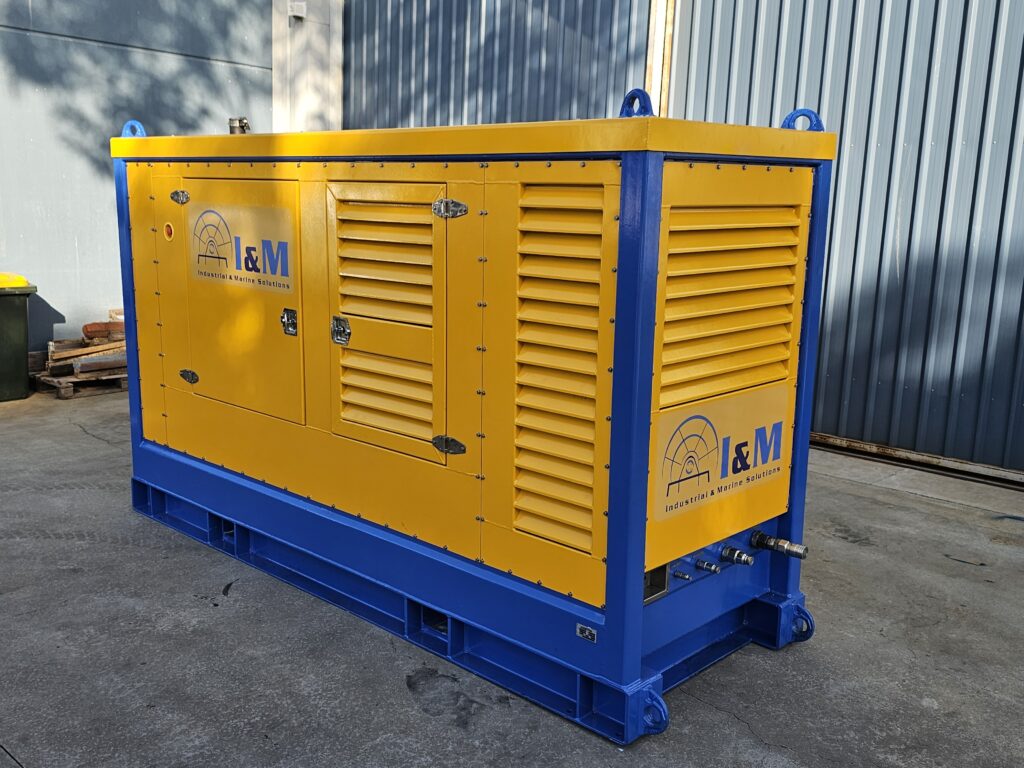
- Hydraulic power packs or electrical supply
- Control panels
- Monitoring equipment
- Structural mounting systems
- Safety devices
Poor system design can undermine even the highest-quality equipment. That’s why working with experienced specialists is essential when selecting, installing, or upgrading marine winch systems.
Why Choose I&M Solutions for Constant Tension Winches?
At I&M Solutions, we don’t just supply equipment — we deliver complete winching solutions backed by technical expertise and industry experience.
- Industry Knowledge: Our team understands the operational realities of marine, offshore, and industrial environments. We work closely with clients to match equipment to real-world conditions, not just theoretical specifications.
- Extensive Hire and Supply Options: We offer flexible hire and purchase solutions, allowing you to access the right constant tension winch for short-term projects, long-term contracts, or permanent installations.
- Custom Engineering Support: When standard equipment isn’t enough, our engineers can design and commission tailored systems that meet your exact requirements.
- Inspection, Testing, and Maintenance: Ongoing performance depends on proper servicing. We provide inspection, testing, and maintenance support to keep your equipment operating safely and reliably.
- Australia-Wide Service: With national coverage and mobile support capabilities, we’re equipped to assist projects across Australia — including remote and offshore locations.
Selecting the Right Constant Tension Winch for Your Project
Every application is different – when selecting a system, it’s worth considering factors like the required line pull and holding capacity, the operating environment, power availability, duty cycle and usage frequency, integration with existing systems, and compliance requirements. Our team will work with you to assess these factors and recommend a solution that delivers long-term performance and value.
Partner with specialists you can trust
Whether you’re operating offshore, managing port infrastructure, or running a complex industrial project, choosing the right winching equipment is a critical decision. With proven experience in constant tension winches, marine winch systems, and hydraulic power solutions, I&M Solutions provides the technical depth and practical support needed to keep your operations running smoothly.
If you’re looking to hire, purchase, or upgrade a constant tension winch (or you need expert advice on system design and integration), our team is ready to help. Get in touch with I&M Solutions today to discuss your requirements and discover how the right winch system can improve safety, efficiency, and reliability across your operations.