For many industrial and marine operators, the conversation around hiring vs buying equipment usually starts with capability and ends with cost. But when you dig deeper, cash flow often plays the biggest role in shaping the final decision. Whether you’re gearing up for a short-term offshore job, a specialist lift, or a one-off construction project, understanding how equipment hire impacts your financial position can make a measurable difference to your bottom line.
In a climate where operational flexibility is increasingly valuable, more Australian businesses are reassessing the old question: Is it better to lease or buy equipment? The answer isn’t the same for everyone – but the financial advantages of hiring are hard to ignore.
Preserving Cash Flow and Reducing Upfront Costs
Purchasing high-spec hydraulic or lifting equipment demands significant capital – money that could otherwise be directed toward labour, materials, or new project bids. Hire, on the other hand, removes that heavy upfront burden and replaces it with predictable, manageable costs.
For many operators, this shift alone is enough to improve cash flow stability. Instead of tying up large sums in assets that may sit idle between projects, hiring allows you to pay only for what you need, when you need it. It’s a practical answer for teams asking is it better to buy or rent in Australia, especially when dealing with job-specific requirements.
Avoiding Depreciation, Storage and Long-Term Maintenance
Owning equipment extends well beyond the purchase price – ongoing servicing, certification, storage, and unplanned repairs all chip away at your project margins. Depreciation also becomes a factor, particularly with high-duty gear exposed to harsh conditions.
Hiring shifts those responsibilities to the supplier. You receive equipment that’s already maintained, inspected, and fit for purpose – without the long-term financial baggage. This can be especially important for companies that scale up and down based on project workload, or for operators working across multiple locations where storing owned equipment becomes inefficient.
Flexibility to Scale and Access the Right Equipment Every Time
In industries where no two projects look the same, flexibility is a genuine financial advantage. Hiring gives you access to the exact equipment needed for each job, rather than relying on whatever’s sitting in the yard. It eliminates the temptation to “make do” just because the asset is owned, and it ensures your team is always equipped with the safest, most suitable and most efficient gear for the task. Better equipment selection leads to faster work, fewer breakdowns, and safer operations… all factors that collectively protect your cash flow, not drain it.
Reducing Risk in Uncertain Market Conditions
Project pipelines shift, contracts change, and market conditions remain unpredictable. Committing to large capital purchases during uncertain times can expose a business to unnecessary financial strain.
Hiring, on the other hand, lets you respond quickly without locking yourself into long-term commitments. You can scale your equipment needs up or down as the project landscape changes, making it easier to control exposure and maintain healthy operational margins.
Here’s how I&M Solutions fits into the equation
I&M Solutions has worked alongside Australian businesses for nearly two decades, supplying specialist hydraulic and lifting equipment built for demanding environments. Our team sees first-hand how strategically choosing hire over purchase helps operators protect cash flow while still accessing high-performance solutions.
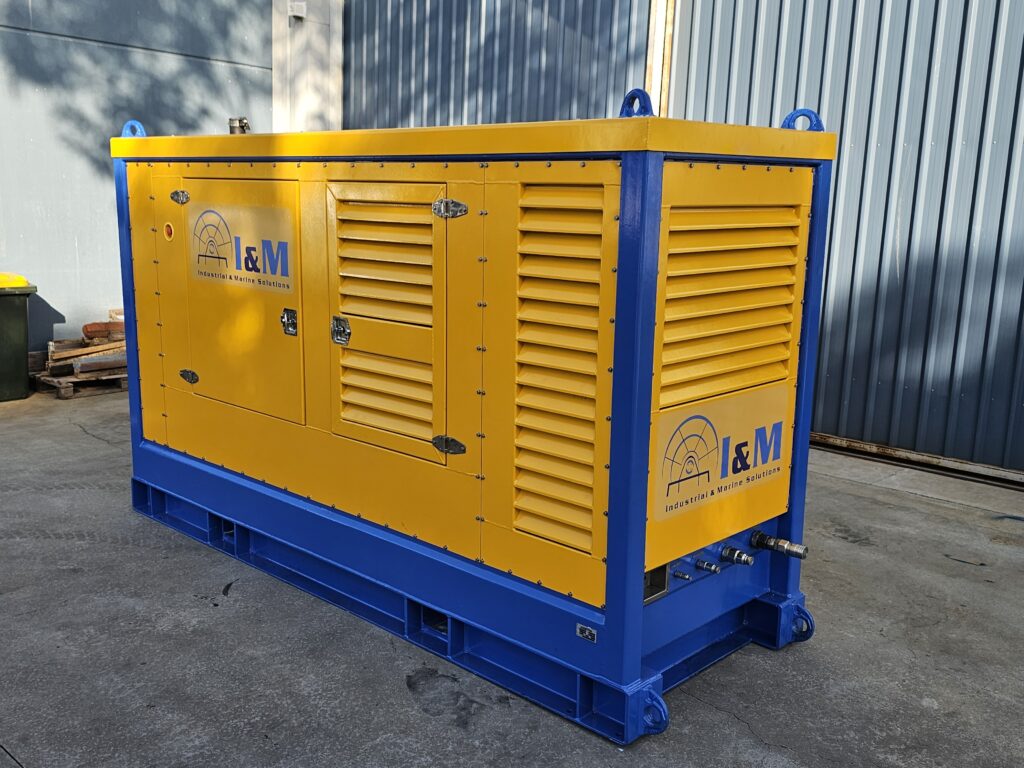
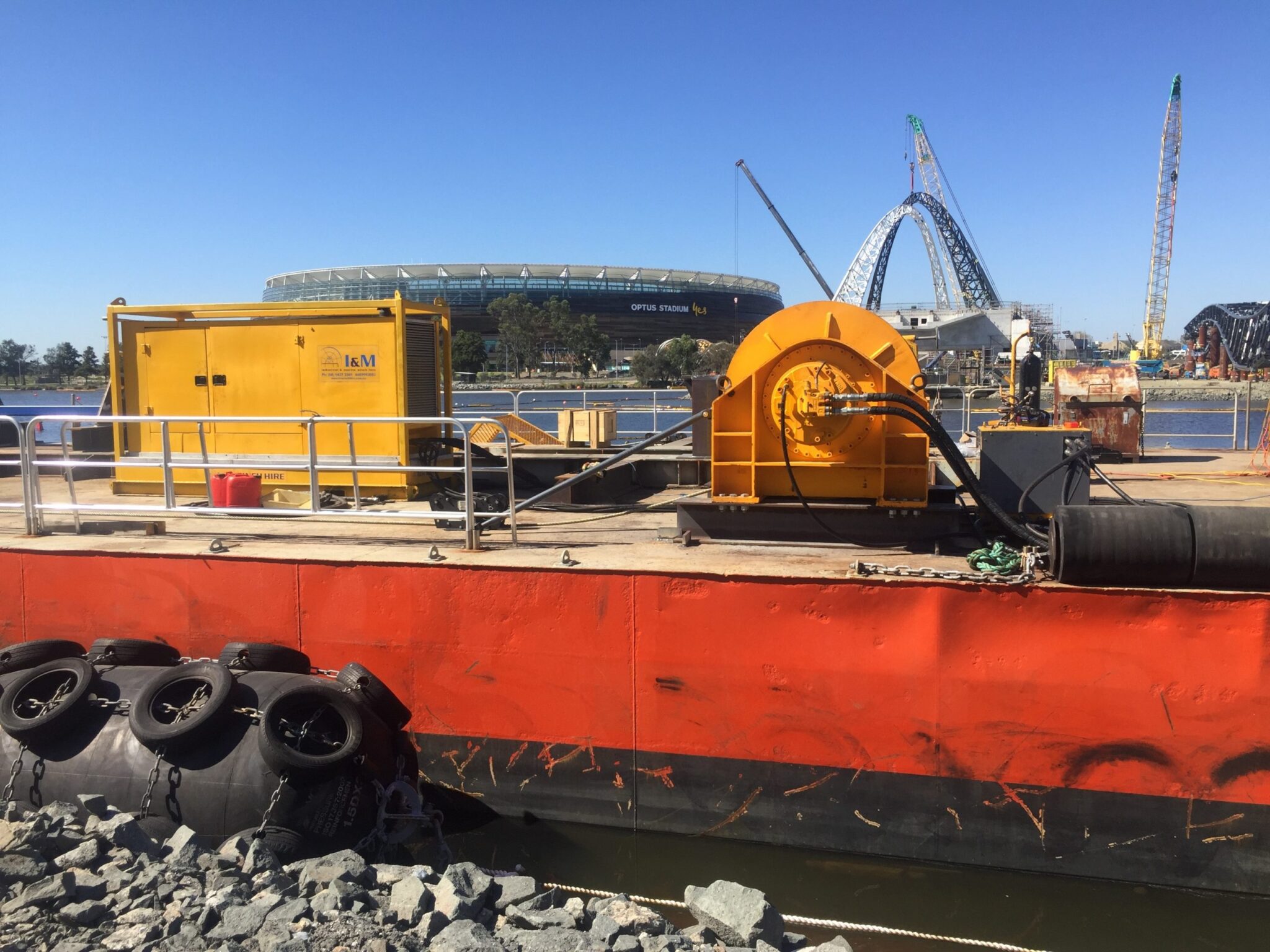
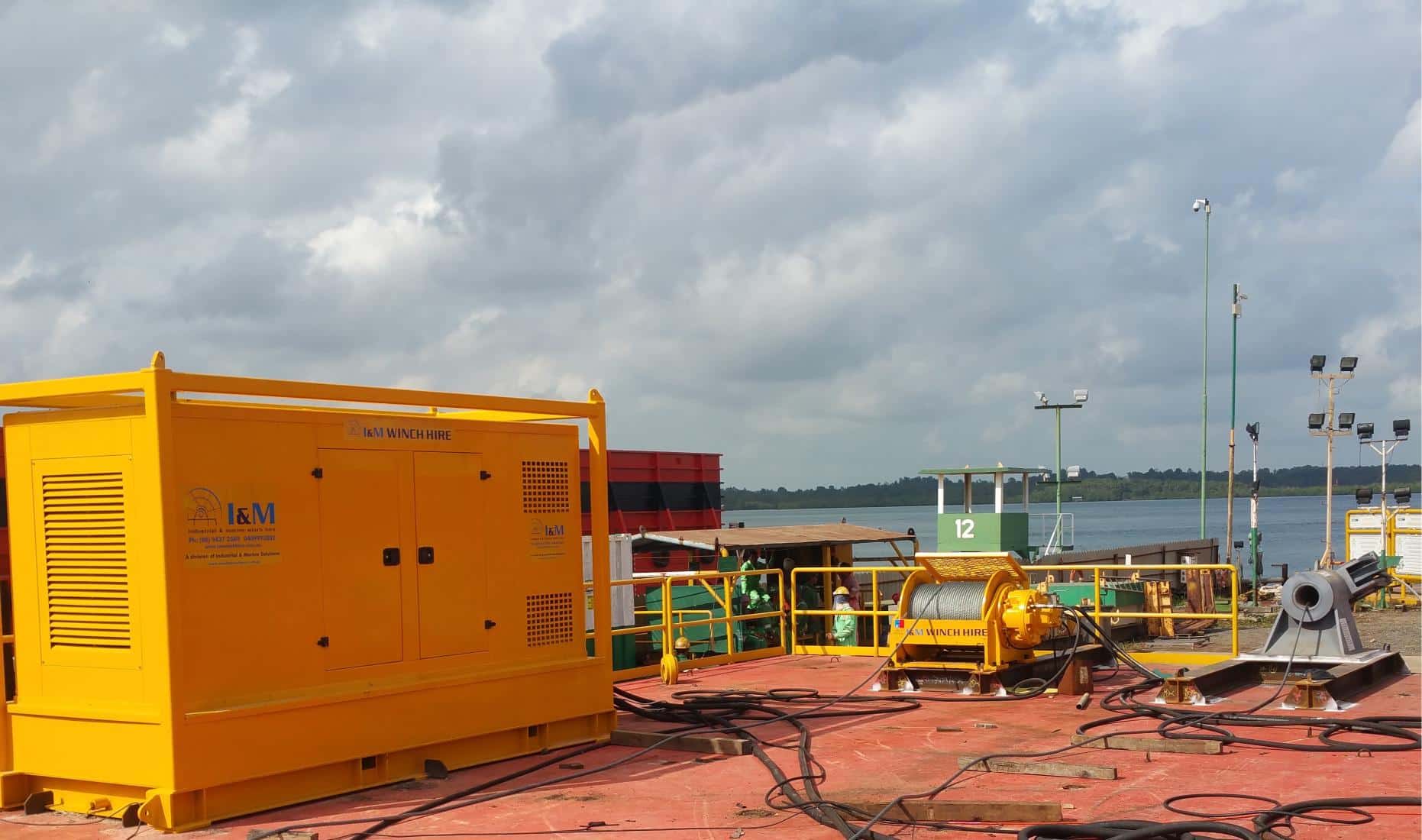
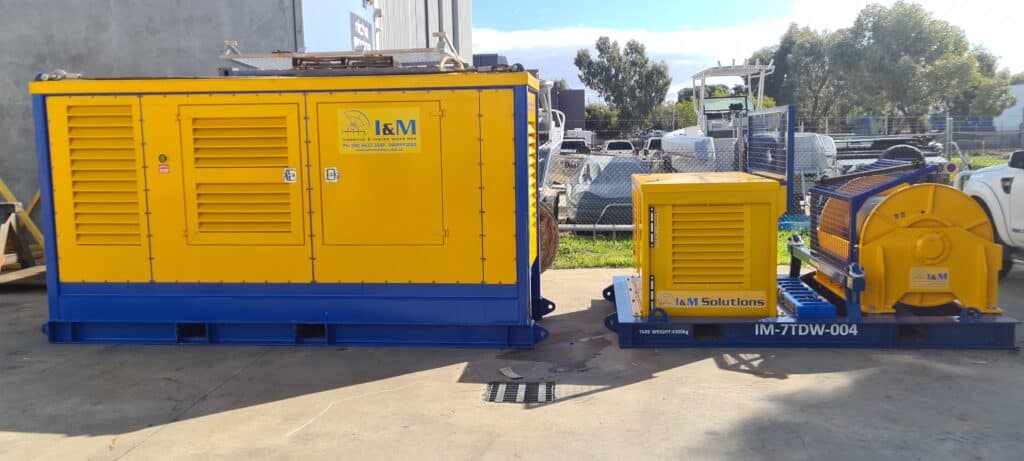
From air, electric and hydraulic winches to power packs, rigging equipment, spoolers, and load-monitoring systems, every hire unit is maintained, inspected, and supported by technicians who understand the realities of industrial and marine operations. For projects with unique requirements, we also offer custom-engineered solutions, ensuring you’re never limited by what’s available off the shelf.
Hiring through I&M Solutions gives you access to quality equipment, predictable costs, and the flexibility to take on jobs with confidence… without the capital burden of ownership.