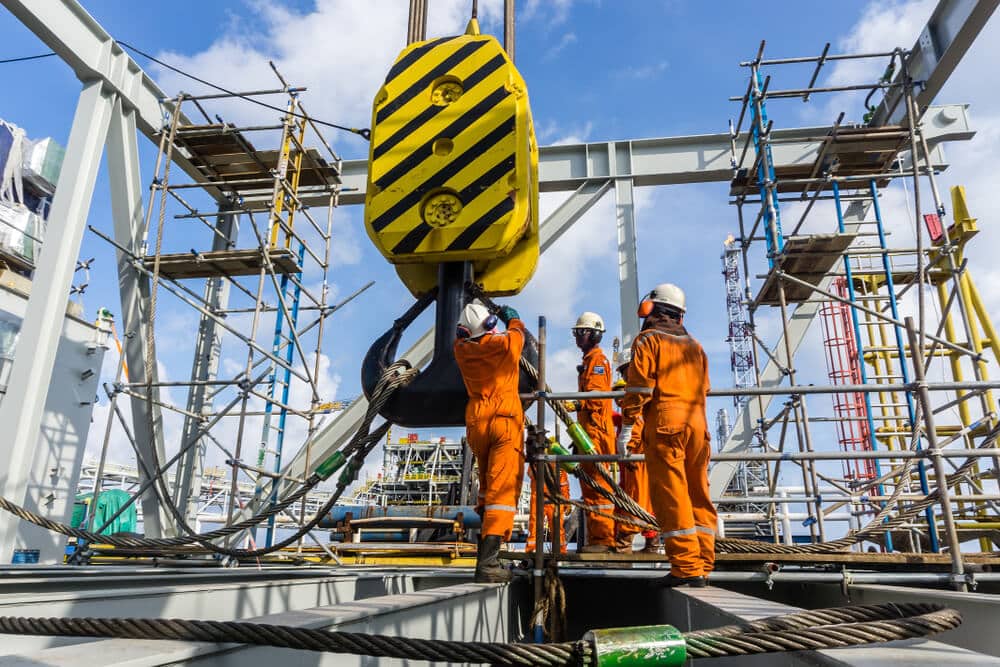
When it comes to lifting, pulling and load control in industrial environments, there are still plenty of outdated assumptions floating around about winch hire. Some businesses assume hired equipment is only for emergencies. Others think buying is always the smarter financial move. Some believe one winch can handle almost any application.
In reality, many of these ideas don’t hold up in demanding marine, offshore, mining, construction and industrial settings. The truth is that modern winch hire gives businesses access to specialised, fully maintained equipment without the cost and commitment of ownership. Debunking winch myths matters because the wrong assumptions can lead to poor equipment selection, unnecessary costs and avoidable operational risk.
Here are some of the most common winch misconceptions, along with what businesses should actually know before hiring.
First, Though… Why is Winch Hire So Often Misunderstood?
A lot of winch hire misconceptions come from treating industrial winches like generic lifting equipment. In practice, winches are highly application-specific. Line pull, control system, duty cycle, power source, drum capacity and operating environment all influence what type of winch is suitable. This is why winch hire is often a practical solution; instead of trying to make one owned unit work across every job, businesses can access equipment matched to the project at hand. For operations where safety, reliability and efficiency matter, that flexibility is a major advantage.
Myth 1: Hiring a Winch Means Settling for Second-Best Equipment
This is one of the most persistent common winch misconceptions, and one of the easiest to dismiss.
Professional hire equipment is not inherently lower quality than purchased equipment. In many cases, it’s actually the opposite. Reputable suppliers maintain their hire fleets to strict standards because reliability is central to both safety and commercial performance. Equipment is regularly inspected, serviced and prepared for demanding conditions.
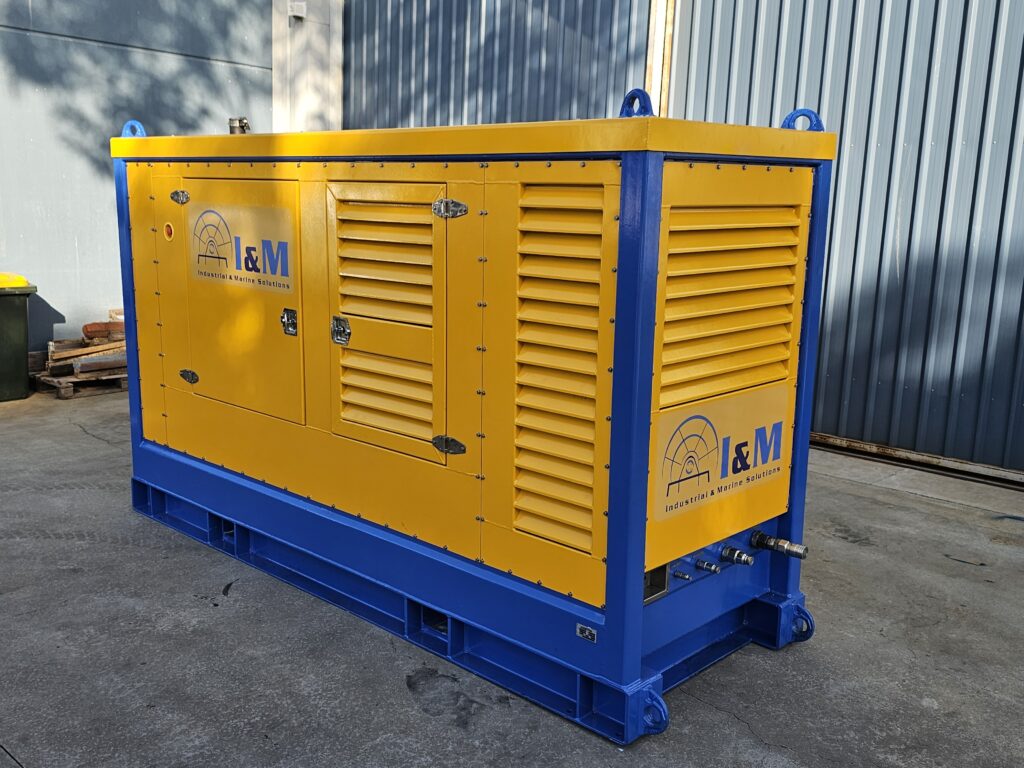
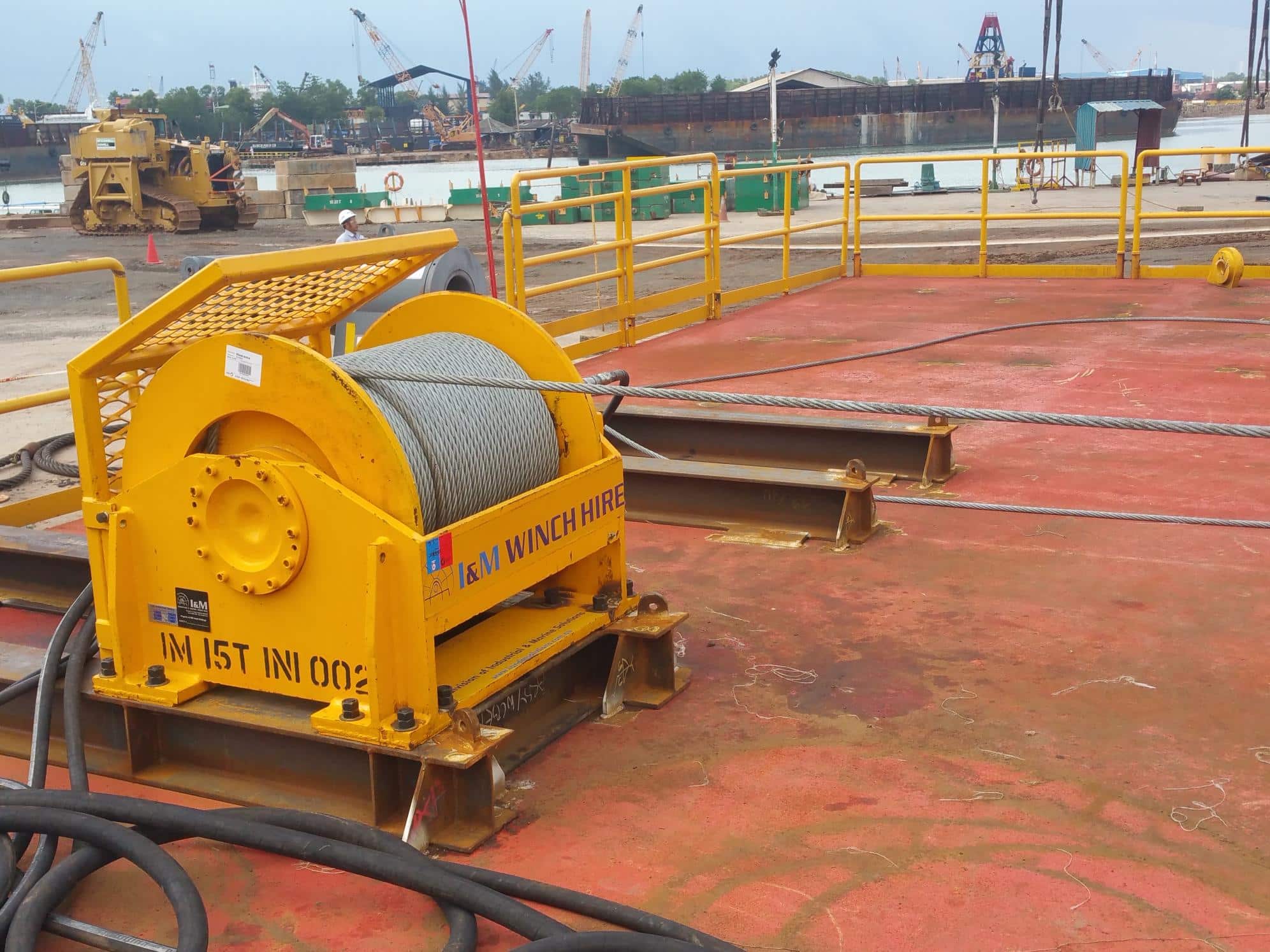
Hiring can also provide access to specialised equipment that many businesses would not want to purchase outright for occasional use. That may include diesel-powered cable hauling winches, hydraulic winches, air winches, electric winches or integrated systems with remote controls and safety features suited to specific site conditions.
Myth 2: Winch Hire is Only Useful for Short-Term or Emergency Jobs
Winch hire certainly makes sense for breakdowns, shutdowns and urgent project requirements, but that’s only part of the picture. In practice, hire is also widely used for planned works, long-duration infrastructure projects, offshore campaigns, staged installations and temporary operational support. Many projects don’t justify permanent ownership, especially where winch requirements vary from one job to the next.
Hiring allows businesses to secure the right equipment for the duration of the work without tying up capital in machinery that may sit idle between projects. That flexibility is particularly valuable in industries where workloads fluctuate or where project scopes change over time.
Myth 3: One Winch Can Handle Every Job
This is one of the most risky winch hire misconceptions because it can lead directly to poor equipment selection. Not all winches are designed for the same application; a unit used for cable hauling may not be suitable for controlled lifting. A winch selected for a land-based industrial pull may not perform well in a harsh offshore environment. Similarly, projects involving long-distance pulling, dynamic loads or precise control may require very different configurations.
Power source also matters. Diesel winches offer self-contained power and strong performance in the field. Hydraulic winches are often preferred where high-duty operation and robust control are required. Electric winches may suit controlled environments where power supply is readily available. The correct choice depends on the job, not on broad assumptions.
Myth 4: Hiring a Winch is Too Complicated
Some decision-makers assume the hire process is technically complex or administratively difficult. In reality, a capable supplier removes much of that complexity.
The right provider will assess the job requirements, recommend a suitable winch, and help ensure the supporting equipment aligns with the task. That may include controls, hose assemblies, monitoring systems, rigging accessories or other components needed to integrate the winch into the broader operation. Instead of adding friction, good hire support can streamline project planning by reducing uncertainty and helping teams avoid mismatched equipment.
Myth 5: Buying a Winch is Always More Cost-Effective Than Hiring
At first glance, ownership can appear more economical… the problem is that the purchase price is only part of the cost. Owning a winch also means managing maintenance, inspection, servicing, storage, transport, certification and the risk of downtime. There’s also the issue of utilisation; if the equipment is not in regular use, capital remains tied up in an asset that may deliver limited return.
Hiring changes that equation. Businesses can access fit-for-purpose equipment when they need it, without committing to the full lifecycle cost of ownership. For many project-based operations, that makes hire the more commercially sensible option.
Myth 6: All Winches are Basically the Same
This assumption tends to come from viewing winches as simple pulling devices. In reality though, industrial winches can vary substantially in design, performance and capability. Differences in line speed, brake systems, control precision, duty rating, environmental resilience and integration options can have a major impact on operational performance. Some applications require high pulling force over extended periods. Others require careful load handling, controlled tension, or compatibility with complex hydraulic systems.
Treating all winches as interchangeable overlooks the engineering behind safe and efficient operation (it also increases the chance of selecting equipment that is technically unsuitable for the work).
Myth 7: Hiring Means You’re on Your Own Once the Equipment Arrives
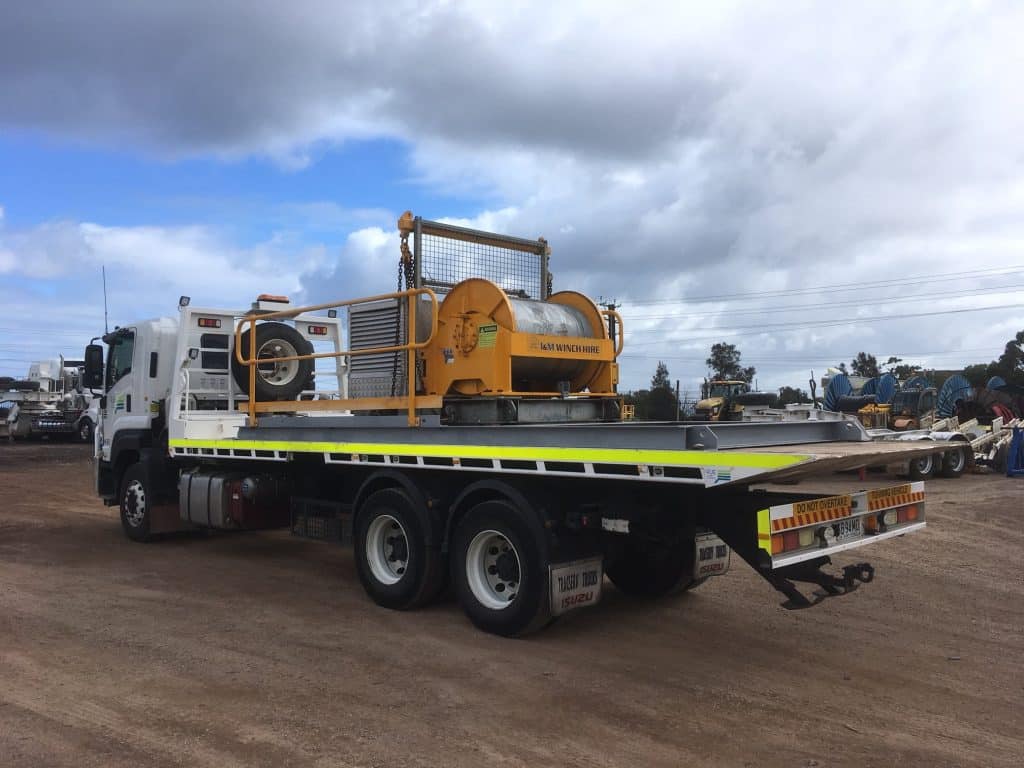
Another example of debunking winch myths is correcting the idea that hire is simply a drop-off transaction. A specialist supplier should offer more than equipment alone; technical advice, application knowledge, servicing support and practical guidance all play an important role in successful project delivery. This is especially important in sectors like marine, offshore, mining and heavy industry, where equipment performance directly affects safety, uptime and compliance. The value of winch hire often lies not just in the equipment itself, but in access to experience and support that helps the job run properly from the outset.
That’s where we come in.
Choosing the right partner for winch hire
Winch hire is not a fallback option or a compromise. In many cases, it’s the most practical, flexible and cost-effective way to access specialised equipment for demanding work. Whether the job involves lifting, pulling, hauling or controlled industrial operations, the right hire solution can improve both performance and safety.
At I&M Solutions, we work with clients across marine, offshore, mining, construction and industrial sectors to supply reliable winch systems backed by practical technical support. If you need help selecting the right solution for your next project, our team can assist with equipment suited to your application and operating environment.