In demanding industrial, marine and offshore environments, hydraulic systems are only as reliable as the In demanding industrial environments, precision is never optional. Whether lifting subsea equipment, positioning structural components, or managing long cable runs, even minor inconsistencies in load control can lead to delays, equipment damage, or safety risks.
This is where hydraulically controlled winches with constant tension capability have become a crucial part of modern lifting operations. By combining hydraulic power with intelligent load regulation, these systems deliver smoother performance, greater accuracy, and more reliable outcomes across marine, offshore, mining, and construction projects.
At I&M Solutions, we work closely with clients who rely on this technology every day… that’s we firmly understand how constant tension lifting systems improve efficiency and why they continue to set the standard for heavy-duty operations.
Understanding Constant Tension Winch Technology
Traditional winches rely heavily on manual adjustment or fixed-speed control. And while this might be suitable for basic lifting tasks, they often struggle to maintain consistent load control when conditions change.
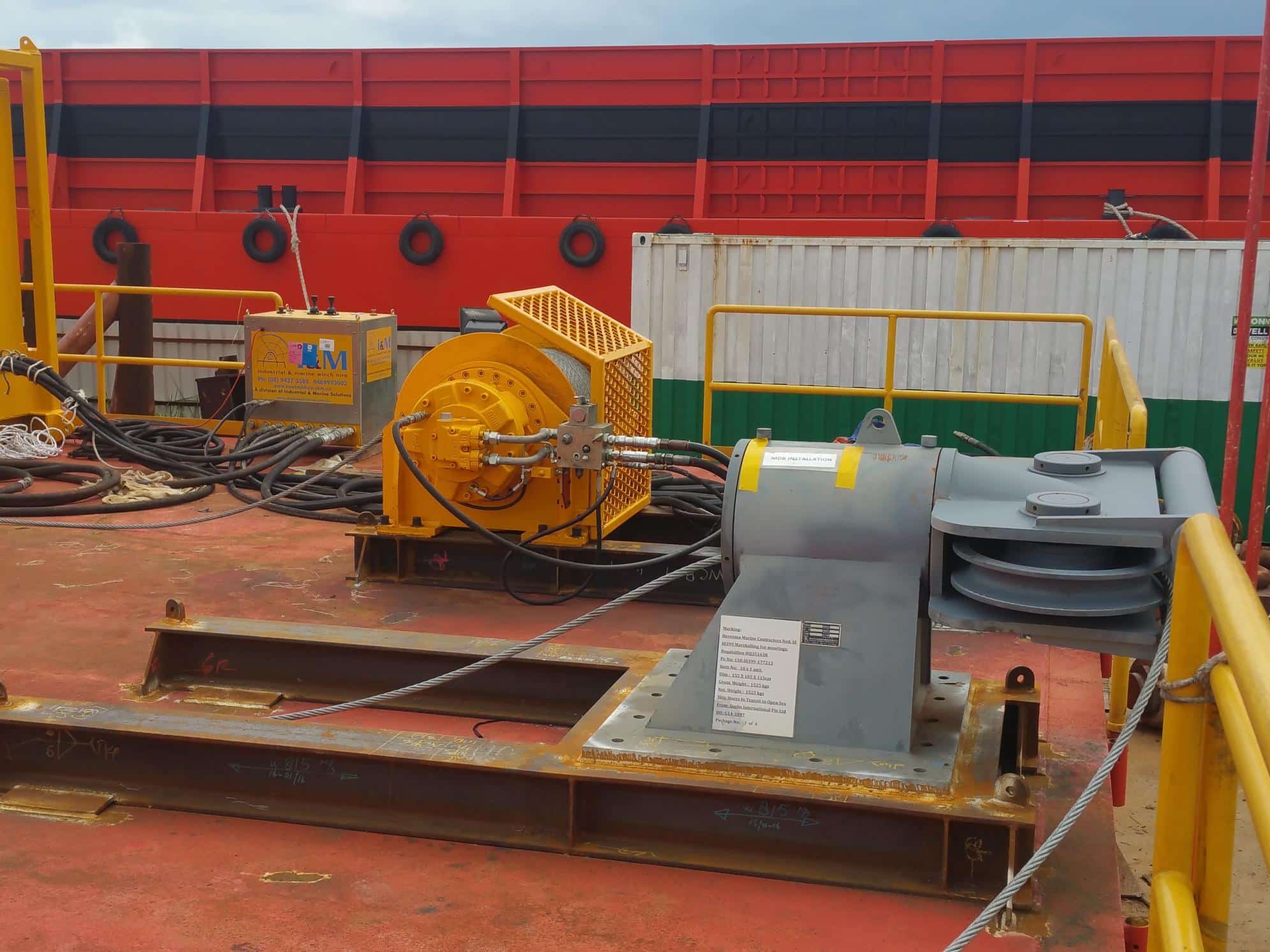
Constant tension winches are designed to automatically regulate line tension. Through hydraulic tension control systems, these winches respond in real time to load movement, environmental forces, and operational demands.
In simple terms, the winch continuously “reads” the load and adjusts itself to keep tension within a predetermined range. This ensures that the load remains stable, even when exposed to wind, swell, vibration, or shifting weight distribution.
H2: Why Hydraulic Control Makes All the Difference
Hydraulic winches for heavy lifting are widely trusted in industrial applications for one key reason: reliability under pressure. Unlike electric systems, hydraulic drives deliver consistent torque across a wide operating range. This allows heavy-duty winches to maintain smooth, controlled movement even under fluctuating loads.
When paired with constant tension functionality, hydraulic systems offer several advantages:
- Stable power delivery at low and high speeds
- Precise response to load variation
- Reduced risk of sudden load drops or surges
- Improved performance in harsh environments
This combination makes hydraulically controlled winches especially suited to offshore, marine, and resource-sector projects where reliability is critical.
Improving Precision in Complex Lifting Operations
Precision is often the defining factor between a successful lift and a costly mistake. With constant tension lifting systems, operators gain far greater control over load positioning. The system automatically compensates for movement, ensuring that cables, slings, or lines remain evenly loaded throughout the lift.
This level of accuracy is particularly valuable when:
- Installing subsea infrastructure
- Handling sensitive equipment
- Managing long-distance cable pulls
- Lifting in confined or unstable environments
Instead of relying solely on operator adjustments, the system supports consistent positioning from start to finish. The result is smoother execution and fewer corrective interventions during critical lifts.
H2: Enhancing Efficiency on Site
Enhancing Efficiency on Site
Efficiency is not just about speed; it’s about reducing downtime, minimising rework, and keeping projects moving safely. Constant tension winches contribute to operational efficiency in several important ways.
Safer Operating Conditions: Stable loads mean fewer emergency stops and less corrective handling, which helps maintain productivity without compromising safety.
Reduced Setup and Adjustment Time: Because hydraulic tension control automatically manages load variation, operators spend less time fine-tuning settings during lifts. This shortens preparation phases and simplifies workflow.
Fewer Interruptions: Sudden load changes are a common cause of stoppages in traditional systems. Constant tension technology reduces these disruptions, allowing teams to maintain momentum.
Improved Equipment Longevity: By preventing shock loading and excessive strain, these systems reduce wear on cables, bearings, and structural components. Over time, this translates to lower maintenance costs and longer service life.
Supporting Safety and Risk Management
Safety remains a top priority in every heavy lifting environment – poor load control is a major contributor to workplace incidents, particularly in high-risk industries. Hydraulically controlled constant tension winches help mitigate these risks by:
- Maintaining predictable load behaviour
- Reducing slack line conditions
- Preventing sudden tension spikes
- Improving visibility of load status
When operators can trust that tension is being managed automatically, they’re better positioned to focus on situational awareness and coordinated lifting procedures. This is especially important in offshore and marine operations, where environmental forces can change rapidly.
Applications Across Industrial Sectors
Given how versatile constant tension winches are, they’ve been widely adopted across multiple industries in recent years.
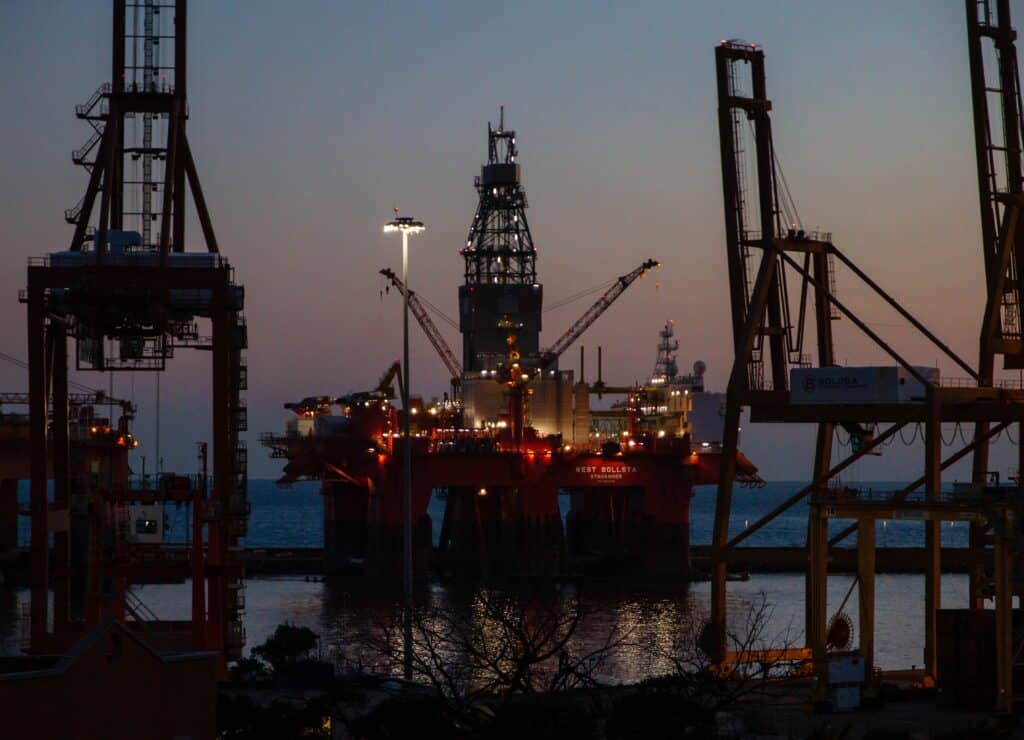
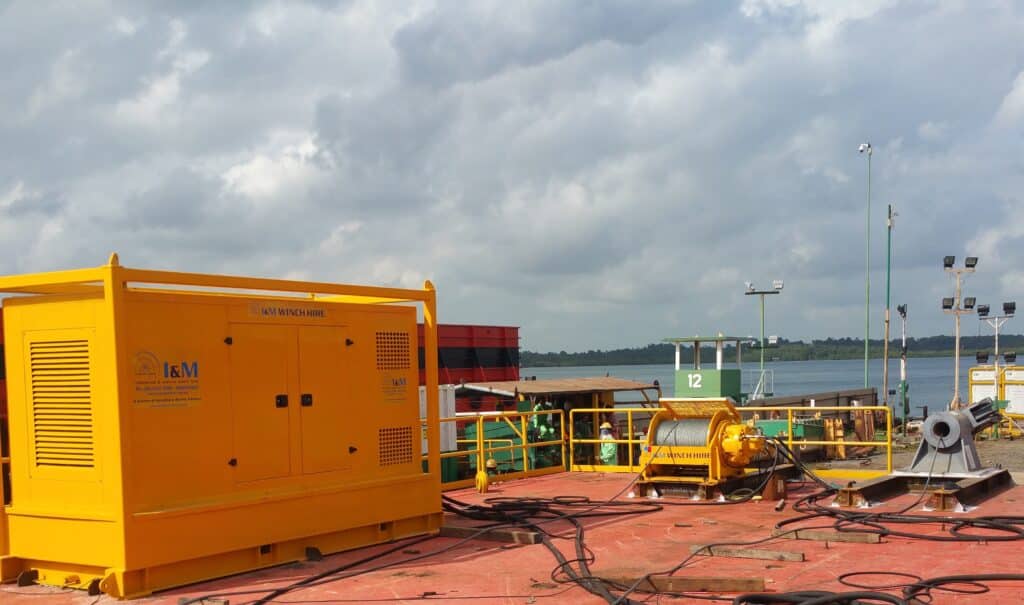
- Marine and Offshore: Used for mooring, anchor handling, subsea installation, and cable deployment, hydraulic winches for heavy lifting provide the control required in dynamic sea conditions.
- Mining and Resources: In remote and high-load environments, heavy-duty winches with constant tension capability support equipment relocation, infrastructure installation, and maintenance operations.
- Construction and Infrastructure: Large-scale projects benefit from consistent lifting performance when positioning beams, modules, and prefabricated components.
- Telecommunications and Utilities: For long-distance cable pulls and tower installations, maintaining stable tension reduces damage risk and improves installation accuracy.
Integrating Constant Tension Systems into Project Planning
To achieve the full benefits of constant tension lifting systems, equipment selection and configuration must align with project requirements. Key considerations include:
- Maximum load capacity
- Line speed and control range
- Environmental exposure
- Duty cycle requirements
- Integration with existing systems
Working with experienced specialists during the planning phase ensures that the selected hydraulically controlled winches deliver optimal performance throughout the project lifecycle.
Leveraging Expertise for Better Outcomes
Of course, technology alone doesn’t guarantee success… the real value lies in how it’s applied, maintained, and supported in the field. At I&M Solutions, our team works closely with clients to understand the practical realities of their operations. This allows us to recommend and supply constant tension winches that are fit for purpose, compliant, and built to perform in demanding conditions.
Our capabilities extend beyond equipment supply to include:
- Custom hydraulic system design
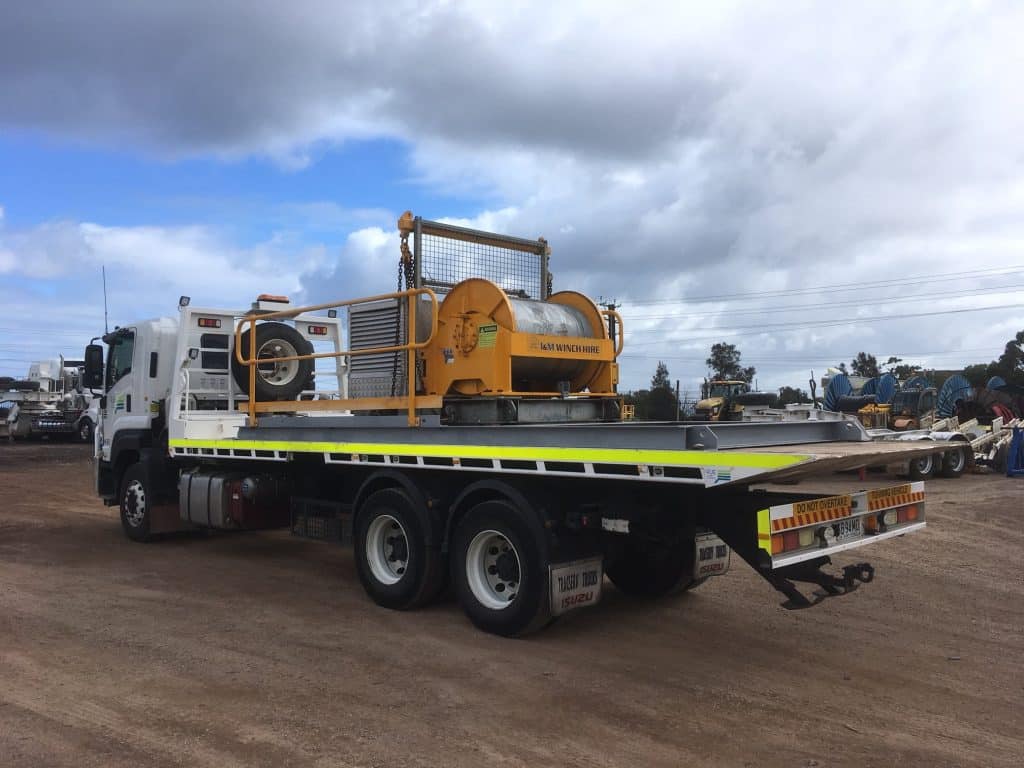
- Equipment hire and project support
- Inspection, testing, and certification
- Ongoing servicing and maintenance
- Technical advice and on-site assistance
Partnering with I&M Solutions for reliable lifting performance
There’s no denying that hydraulically controlled constant tension winches have transformed the way heavy lifting is managed in modern industrial environments. By improving load stability, enhancing precision and reducing operational disruptions, they play a vital role in safer and more efficient project delivery. For organisations seeking dependable hydraulic winches for heavy lifting, expert guidance is just as important as the equipment itself.
I&M Solutions supplies, supports, and services a comprehensive range of heavy-duty winches and constant tension systems tailored to Australian conditions. Whether you require equipment hire, custom solutions, or technical support, our experienced team is ready to help you achieve reliable, compliant, and cost-effective lifting outcomes.
To learn more about our hydraulic winch solutions or discuss your project requirements, contact I&M Solutions today and speak with our specialist team.